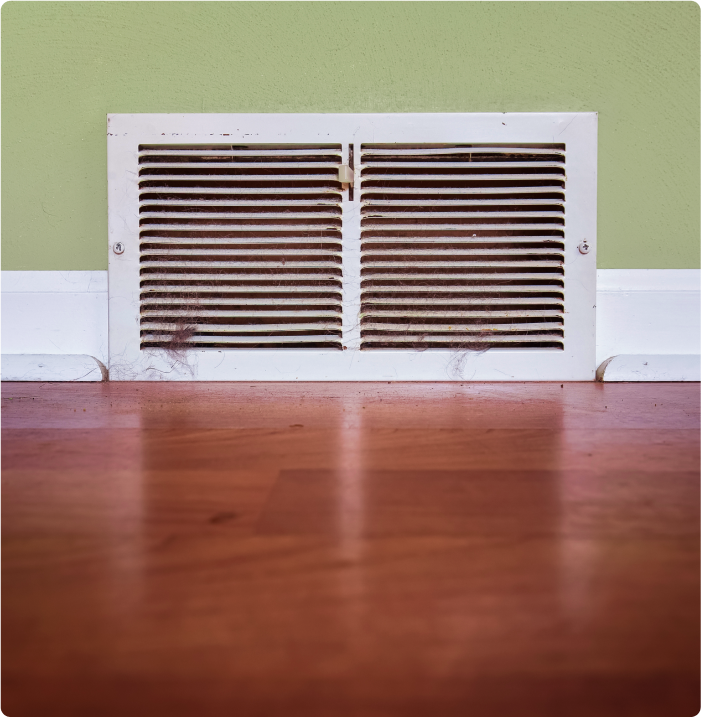
Mold is a pesky problem that pops up in homes often. Mold in HVAC ducts can lead to poor indoor air quality, potential health risks, and decreased system efficiency. By staying proactive and keeping your HVAC ducts clean, you can breathe easier knowing your system is circulating cleaner air.
What is Mold? It’s Not As Straightforward As You Think
Mold is a type of fungi that thrives in moist, dark environments, but it’s important to note that what appears to be "mold" might actually be other types of growth. Various kinds of fungi, bacteria, and even algae can grow in HVAC systems under the right conditions—and many look similar to mold—but it can be almost impossible to identify the specific type without lab testing. That’s why professional inspection and, if necessary, lab testing can be crucial when dealing with potential mold growth in your HVAC system.
Causes of Mold in HVAC Ducts
Is it common to have mold in HVAC? The answer is it can be, if given the right conditions. Mold thrives in damp, dark, and poorly ventilated environments, which makes your HVAC system an ideal spot for spores. Here are some common causes of mold in HVAC ducts:
- High Humidity: Mold grows quickly in areas with high humidity, especially if the indoor air is not properly dehumidified. When warm air meets cold surfaces inside the ducts, condensation forms, creating the perfect environment for mold spores to flourish.
- Leaks: Water leaks from your HVAC system or ductwork can lead to moisture in the ducts. If these leaks go unnoticed or unrepaired, the excess moisture will fuel HVAC mold growth.
- Poor Ventilation: Stagnant air in poorly ventilated ducts can create pockets of moisture that lead to mold formation. Adequate airflow is crucial for preventing dampness inside the system.
- Clogged Air Filters: A dirty or clogged air filter reduces airflow and traps moisture in your HVAC system, making it easier for mold to grow.
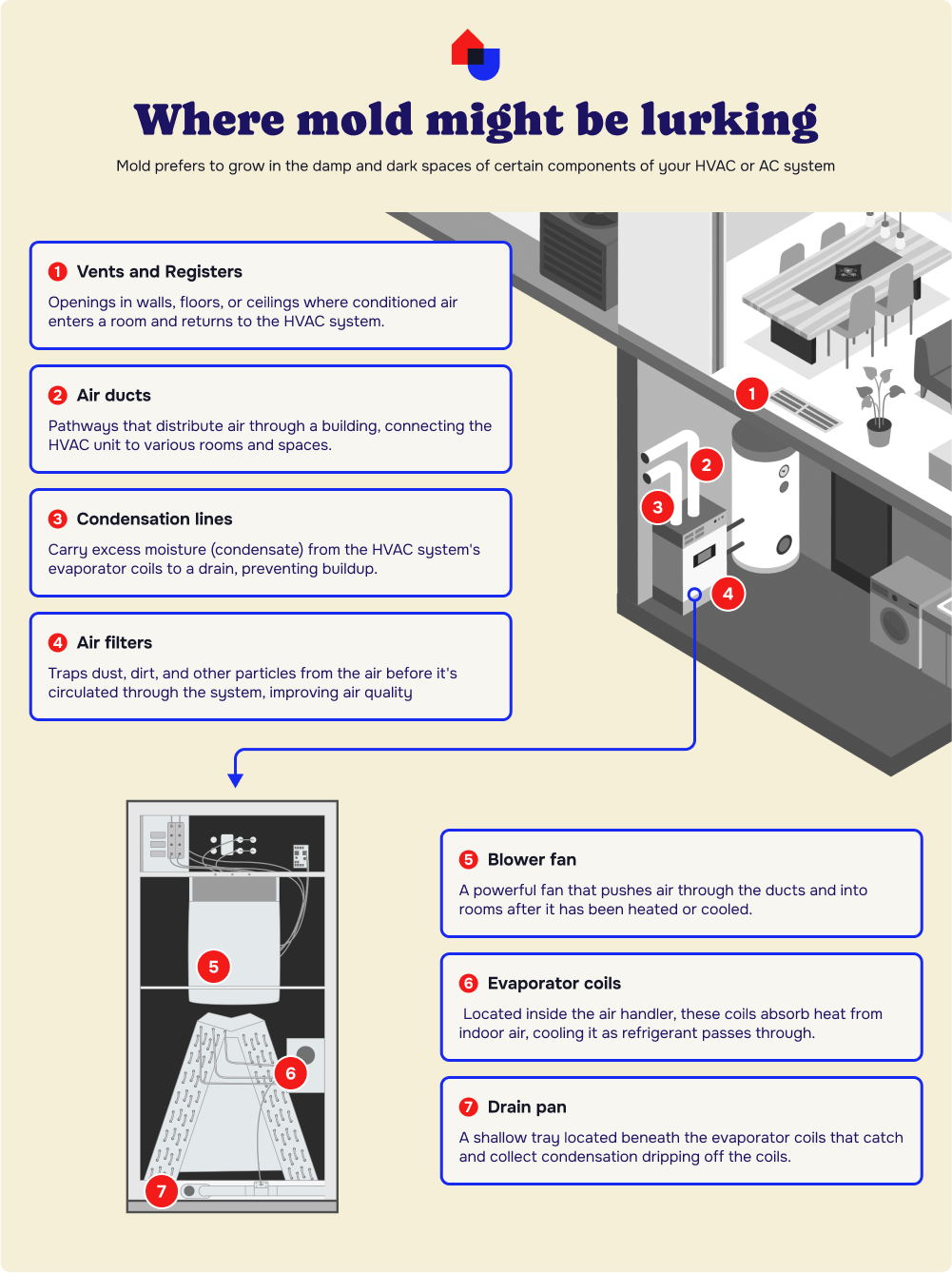
Signs You Have Mold in Your HVAC Ducts
If you’re wondering how to detect mold in air ducts, the signs aren’t always so obvious. In fact, mold growth can often go unnoticed until it becomes a significant problem. Knowing the signs of mold in AC can help you catch it early and take action before it spreads:
- Musty Odors: If your HVAC system is circulating an ever-present musty or damp smell throughout your home, it’s a strong indicator that HVAC mold may be growing in your ducts or vents.
- Visible Mold Near Vents or Inside Ductwork: In some cases, you may notice visible mold or dark spots around air vents or grilles. But this can sometimes be dirt that has the appearance of mold. If you see what looks to be mold near a vent, remove the vent first and look down the duct run. If you spot mold within the duct, this is likely a sign that mold is in fact spreading through your HVAC system.
- Respiratory Symptoms: If you or your family members experience unexplained respiratory symptoms like coughing, sneezing, or worsened allergies, it could be due to mold spores being circulated through your HVAC system. Mold in AC systems or HVAC systems can trigger asthma, allergies, and other respiratory problems.
- Condensation Issues: Frequent condensation around ducts, especially in areas with poor ventilation, can signal mold growth. If you notice constant moisture buildup, inspect your HVAC system for mold.
- High Humidity Levels: If your home feels excessively humid or your HVAC system struggles to regulate humidity, mold may be forming in your ductwork.
What to Do About Mold in HVAC Ducts
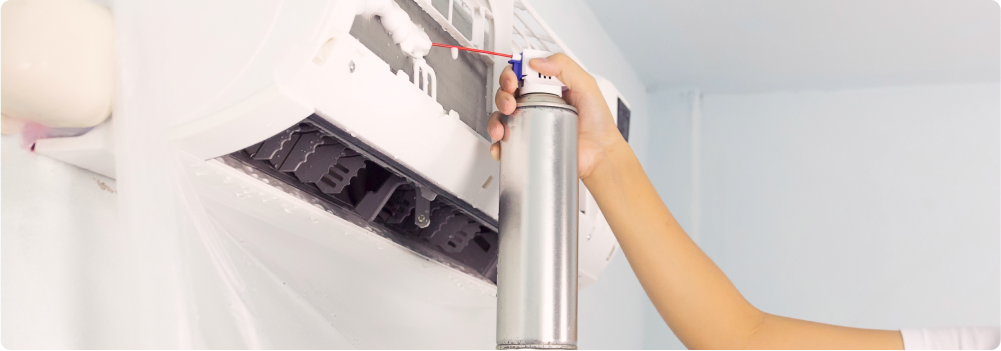
Can mold be removed from HVAC ducts? Absolutely. Depending on the severity, you may be able to handle it yourself, or you might need to call a pro.
DIY Methods
For smaller areas of mold, a DIY approach can often do the trick. Here are some handy, household methods for removing mold in AC systems:
- Vinegar: White vinegar is a natural and effective solution for killing mold. Spray undiluted vinegar onto the affected area, let it sit for at least an hour, and wipe it away. Vinegar’s acidic nature helps break down mold spores.
- Mold Remover: Commercial mold removers are widely available and can be used to clean affected ducts and vents. Be sure to choose a product specifically designed for HVAC systems and follow the manufacturer’s instructions carefully.
- Hydrogen Peroxide: This is another non-toxic option for cleaning mold. Spray the affected areas with 3% hydrogen peroxide and let it sit for about 10 minutes before wiping it off.
Quick tip: Make sure to wear protective gear (gloves, mask, and eye protection) when cleaning mold, as exposure can cause irritation.
When to Call a Professional
While DIY methods can be effective for small mold problems, larger mold issues require professional help. Here’s when you should call a pro:
- Mold Covers a Large Area: If the mold growth is extensive or has spread throughout multiple areas of your HVAC system, you should call a mold remediation specialist.
- Mold Keeps Returning: If mold keeps reappearing despite your best efforts to clean it, there may be an underlying issue, like excessive humidity or leaks, that requires a professional eye.
A licensed HVAC professional can help prevent and remove mold within the HVAC system and also inspect your system for problems like leaks or improper ventilation that could be contributing to mold growth.
Preventing Mold Growth in Your HVAC System
Mold can be a common issue, but preventative measures can make it less common in your home. Here are some key steps you can take as a homeowner to prevent mold growth:
1. Keep Humidity Levels in Check
One of the most effective ways to prevent mold is by controlling indoor humidity levels. Aim to keep your home’s humidity below 60%, and use a dehumidifier if necessary to reduce excess moisture in the air.
2. Regular Cleaning and Maintenance
Maintaining your HVAC system is critical to keeping mold to a minimum. Schedule regular cleaning and maintenance, including:
- Cleaning HVAC components: Be sure that you or the professional cleans the evaporator coils and blower to remove all the growth within the system. Keeping the air handler / furnace clean will help keep the ductwork clean.
- Air Filter Replacement: Change your HVAC air filters every 1-3 months to ensure proper airflow and prevent moisture buildup.
3. Duct Cleaning
It’s recommended to have your ducts professionally cleaned every 3-5 years. However, you should visually inspect them before getting them cleaned. If your ducts are getting dirty frequently, it may be a sign that there are leaks within the ductwork, which should be addressed.
4. Fix Leaks Immediately
Any water leaks in your home, whether from plumbing or your HVAC system, should be addressed as soon as possible. Fixing leaks prevents moisture from accumulating in your ducts, reducing the risk of mold growth.
5. Install UV and IAQ Lights
Using UV (ultraviolet) lights and indoor air quality (IAQ) lights is one of the best ways to prevent mold growth in your HVAC unit. These lights can be installed near the air handler or furnace to continuously disinfect the air that passes through, keeping these components cleaner and helping to improve your overall indoor air quality.
Protecting Your Home from HVAC Mold
Keeping your indoor air comfortable is essential for daily life. Unfortunately, mold in HVAC ducts can impact your home’s indoor air quality for the worse. By keeping an eye on signs of early mold growth, you can prevent serious issues from growing out of control. Whether you clean the mold yourself or call in professional help, removing mold from your HVAC system is key to a healthy and comfortable living environment.
Don’t worry. Be warranty.
Following these mold prevention tips will help keep your HVAC system running efficiently. Luckily, American Home Shield® makes it easier by protecting your home’s essential systems and appliances. For more peace of mind, explore our home warranty plans today, and let us help you stay ahead of unexpected home repairs.
Not sure what a home warranty is? No worries! Check out our FAQs or contact us to learn more.
AHS assumes no responsibility, and specifically disclaims all liability, for your use of any and all information contained herein.