Home Warranty
50% off* select plans
Save big and let us handle covered home hassles.
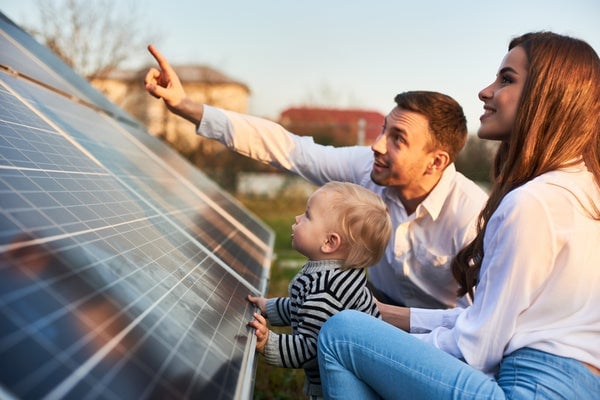
American Home Shield walks you through the uses of solar energy and how to make the most out of solar power efficiency in your home.
Even in cold weather, homeowners can take advantage of the benefits of renewable solar energy. It’s a smart option, whether you want to protect the environment, save money on utility bills, or add resale value to your home.
Here are a few ideas for implementing solar power for your home and how to make energy-efficient home improvements.
Why should you choose solar energy? Solar power energy is:
Sustainable and renewable. Other sources of fuel that require exploration must be extracted from the earth and can be depleted. Sunshine is renewable.
Low-maintenance. Solar panels for your home don’t require much upkeep. Once you’ve had them installed, you’ll just need to make sure that they’re free of dirt and debris so that sunshine can reach every part of the panel.
Silent. Solar panels don’t make any noise as they convert sunlight into electricity.
Eco-friendly. Solar electric power plants and solar panels for home use don’t produce any emissions or have any other adverse effects on the environment.
Becoming more affordable. The federal government currently offers rebates and tax credits for renewable energy that can help offset the cost of home solar installation. Moreover, advancements in the technology used to create solar energy are allowing homeowners to recoup their initial investment (in equipment and installation costs) much more quickly.
The solar power for home cost continues to drop and is becoming more competitive with traditional sources of electricity. In fact, 34 states now follow Renewable Portfolio Standards. These policies ensure that the public benefits of renewable energy are recognized and include requirements for electricity providers to switch a certain percentage of the power they generate and offer consumers renewable sources over the next several decades.
Solar cells are made of semiconductor materials that absorb sunlight and convert solar radiation (heat) into electricity. One solar cell produces only a small amount of power. Several cells are connected, forming panels or modules capable of generating additional energy. A module can output from between 250 to 400 watts of power per hour.
Because solar cells are modular and scalable, homeowners can design solar electric systems to meet their specific requirements. Solar panels for home use can also be connected to an existing electric distribution system (one that is grid-connected and still uses other sources of electricity), or they can stand alone (off-grid).
Before you invest in a solar system for your home, you need to make sure your home receives enough solar energy to meet your needs efficiently and affordably. Does your home have clear and unobstructed access to sunlight most of the day and throughout the year? If not, your home may not be a good candidate. Your local electric provider can provide a solar site analysis or teach you how to conduct your own.
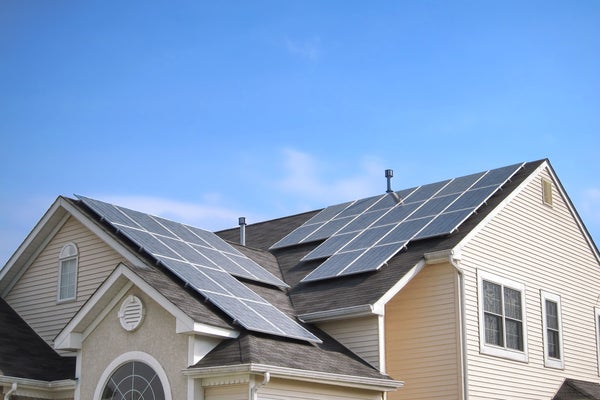
A small solar electric (aka photovoltaic, or PV) system can be a reliable and pollution-free electricity producer for your home or office. PV systems use both direct and scattered sunlight to create electricity. However, the more direct solar energy that reaches the PV system, the more power it generates. Therefore, while these systems can work anywhere, they function most efficiently in areas of the United States that receive more average sunlight per year, like the Southwest.
However, even if you can’t invest in a solar electric system, there are still some uses of solar energy that can help to save money and energy.
Solar Water Heaters. Heating water is one of the best uses of solar energy since we use hot water almost every day. Solar water heaters can be a reasonable alternative to conventional gas or electric-powered models. Solar panels heat water, which is then delivered to a storage tank. Homeowners can also take advantage of a specific federal tax credit available for solar water heaters.
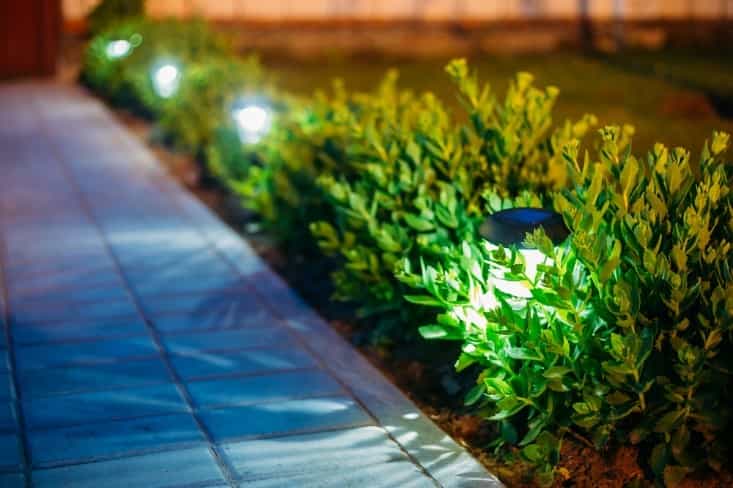
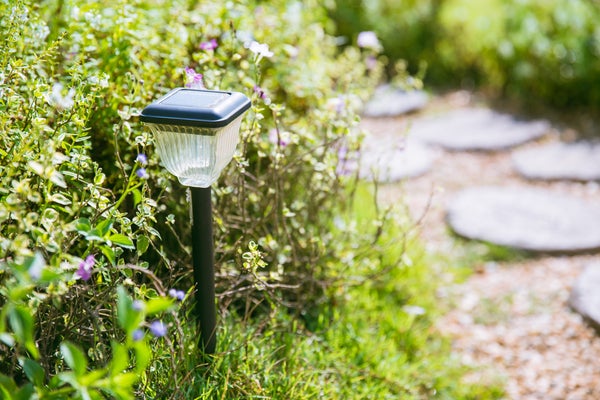
Outdoor Solar Lights. Outdoor energy-saving lights (such as solar security lights or solar flood lights) use solar cells to convert sunlight into electricity. Outdoor solar lights store this electricity in special batteries. At night, these batteries power the lights.

Thinking about coverage?
Security for your home. Protection for your budget.
Before purchasing a solar lighting system, make sure that the manufacturer provides replacement batteries and bulbs. Also, consider your home's landscaping. Both self-contained units, such as solar security lights and floodlights, and separate small solar panels need to be placed in sunny locations. Shade from trees and buildings can also impact solar lights' battery charging and performance.
Solar Ovens. Whether you make your own or purchase a pre-assembled unit, solar ovens are increasingly popular home appliances. Like an electric-powered crockpot, a solar oven is essentially a slow cooker. Using angled reflectors that direct solar energy into a special chamber, a solar oven heats food to relatively low temperatures over the course of many hours (eight to ten hours, depending on the recipe). Again, the fuel source is freely available in the form of sunshine.
Small Solar-Powered Appliances. Rechargeable personal electronic devices may seem inconsequential compared to major appliances like refrigerators, washers and dryers, and HVAC systems. However, factoring in all the energy costs associated with using these devices suggests they use more energy than we suspect. A solar-powered phone and tablet charger can be a simple, inexpensive, and effective way to begin introducing the benefits of solar power to your family (and it’s perfect for when you’re traveling off the grid).
Finding ways to maximize solar power efficiency in your home is absolutely achievable, and there are solar units to meet the needs of any homeowner. As the earth’s natural resources deplete, the cost of oil is just going to get higher and higher. Investing in solar power for your home can really add up in savings and help the environment. It’s a win-win.
Whether you're looking to lower energy costs or reduce the overall costs of repairing items in your home, American Home Shield can help protect your budget with a home warranty. Our plans cover components of up to 23 different systems and appliances. Check out what’s covered.
AHS assumes no responsibility, and specifically disclaims all liability, for your use of any and all information contained herein.
Maintaining smart home security gadgets is made easy with an American Home Shield plan.

AHS assumes no responsibility, and specifically disclaims all liability, for your use of any and all information contained herein.

Have a plan for your home when things don't go according to plan
Shop Home WarrantiesDevelopment